culture history
Chinese Instruments in Painting and Poetry
Chinese Instruments in Painting and Poetry compares real listening, setting, image context, and next-step choices so readers can narrow the broad topic without reducing it to one representative instrument.
- Object context
- Use Chinese musical scene, Guqin, Pipa, Xiao as collection evidence first: material, scale, survival, and display context tell you what the image can prove.
- Label limit
- A display label may identify object and period, but it does not automatically prove modern sound, technique, or repertoire.
- Next source check
- Open the source record, glossary, or sound desk when the picture raises a claim that needs a recording or second source.
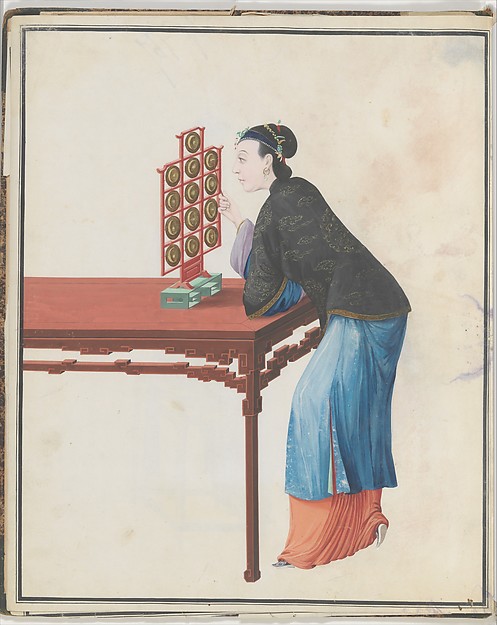 Object context
Use this Chinese musical scene image as object context: read museum, display, ritual, court, and collection clues before making a broad history claim.
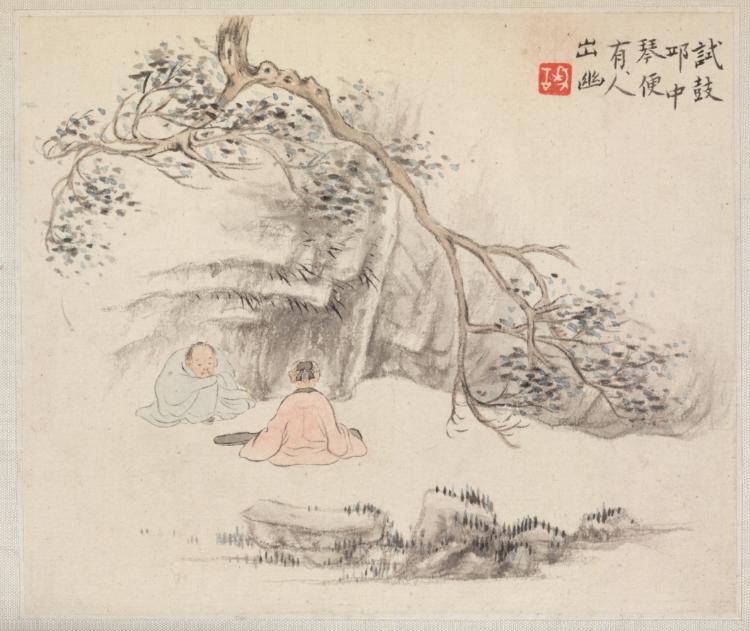 Museum context
Use this Guqin image to separate object context from modern listening inference, especially when the page moves across periods or regions.
 Period contrast
Use this Pipa image as a label-reading prompt: ask what the collection record can prove and what still needs a sound source.
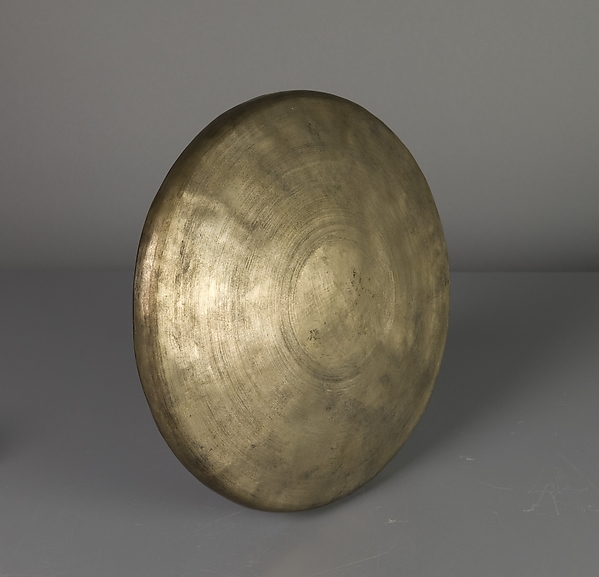 Use setting
Use this Xiao image as the next history route: connect one display detail to one careful listening question.
Image reading guide
Separate surviving material evidence from broad heritage language by comparing Chinese musical scene, Guqin, Pipa, Xiao as actual objects, not decorative symbols.
Treat display, court, ritual, teaching, or collection context as part of the evidence before making a listening claim.
Leave the page with one careful next question: what can the object prove, and what still needs a recording, label, or source note?
Scene checklist
- Display case scene
- Read Chinese musical scene, Guqin, Pipa, Xiao as collection objects first: material, scale, survival, and display context shape what the page can claim.
- Label limit
- A museum label can identify an object and period, but it may not prove how a modern listener should hear every example.
- Sound inference
- Move from visible form toward one careful listening question: what vibrates, what setting is named, and what remains uncertain?
- Source follow-up
- Use the source link, glossary, or sound desk when the image raises a claim that needs a recording, object record, or second source.
Start with what the object or exhibition can actually prove before turning the page into a broad heritage claim.
Use the museum or collection context to separate surviving material evidence from modern listening inference.
Ask whether the image points to ritual, court, teaching, performance, or later display rather than one generic past.
Move from visible material and setting toward one careful listening question the reader can test next.
Start with painting-poetry evidence
Chinese Instruments in Painting and Poetry should answer a reader's immediate job before it becomes a long cultural overview. For this source-reading guide, the useful answer starts with what can be observed, heard, checked, or decided from the page. The source set begins with Hong Kong Chinese Orchestra, Music of Character, MTSU Center for Chinese Music and Culture, and MTSU Center for Chinese Music and Culture Instrument Gallery, but the page is not arranged like any of those references. It uses them to keep the claims bounded: name, sound source, setting, material clues, learning or ownership reality, and what the reader should not infer from one object or one clip. The page should make cultural setting concrete by tying it to evidence, sound, and a reader action. The practical standard is simple: a reader should leave knowing what is distinctive here, what still needs a more specific instrument page, and what next step would change their decision. That is why the opening names the task, the likely confusion, and the safe scope of the page instead of starting with a generic celebration of tradition.
- Reader job: A reader wants cultural meaning in painting and text. Compare several instrument families before letting one famous name stand for the whole topic.
- Main boundary: Art references should not be used as proof of every performance practice.
- Next step: Open guqin and pipa pages for object-specific interpretation.
Painting-poetry evidence source boundaries
The strongest pages about this source-reading guide do not ask one source to do every job. A museum record can ground object shape, material, date, or collection context. A university or collection page can help with names, families, visible construction, and playing interface. Orchestra or stage sources can explain role and texture, but they cannot automatically prove how every regional, folk, or classroom setting works. This page keeps those jobs separate so the article remains useful instead of overconfident. The rewrite uses source facts as guardrails and then turns them into a reader path. this source-reading guide source boundary: use 5 retrieved sources before deciding what the page can safely say. this source-reading guide reader mistake to prevent: Art references should not be used as proof of every performance practice. That means the section should sound like an editor helping a reader decide, not like a citation list, a vendor pitch, or a museum label pasted into an article.
- Use object evidence for shape, materials, and date limits.
- Use performance context for role, volume, texture, and listening task.
- Use the reader task to decide which fact belongs in the article.
Real-world field note
- Scene
- A museum visitor sees a scholar with a zither in a painting.
- Common misread
- Art references should not be used as proof of every performance practice.
- Next move
- Open guqin and pipa pages for object-specific interpretation.
Painting-poetry evidence context
The cultural setting lens works when it links a visible clue with an audible or practical consequence. For this source-reading guide, this means the page has to connect tone, body, technique, and setting in the same explanation. A sound word by itself is weak: bright, mellow, ancient, dramatic, or delicate only helps after the reader knows what starts the vibration, how the player interacts with the instrument, and where the sound usually earns its role. this source-reading guide practical next move: Open guqin and pipa pages for object-specific interpretation. The same rule applies when the page is not primarily a sound guide. Buying advice still depends on sound expectation and setup. Learning advice still depends on feedback, room volume, and early technique. History still needs an audible or visible clue so the paragraph does not float above the instrument. The page therefore treats cultural setting as a practical lens, not a decorative topic label.
- Listen for: setting and evidence limit
- Check visually: period, setting, social role, source type, and evidence limit
- Do not flatten: history tied to source type
Painting-poetry evidence shortcut to avoid
The common mistake is not lack of enthusiasm; it is collapsing several different jobs into one neat answer. Art references should not be used as proof of every performance practice. A reader might hear one recording and assume every setting sounds the same, see one museum object and assume modern technique, or read one seller description and assume playability. This page slows that leap down and asks what the source actually supports. A better section names the shortcut first, then replaces it with period, setting, social role, source type, and evidence limit. The fix is to make the next move concrete. If the topic is learning, the reader needs first-month reality. If it is buying, they need proof questions. If it is repertoire, they need one listening cue. If it is broad culture, they need a period, setting, or object boundary. this source-reading guide visual context: Use this Guqin collection image as museum evidence: read the object, display context, ritual or court role, and label limits before making a broad history claim.
- Name the possible misread before giving advice.
- Tie the correction to a visible, audible, or practical cue.
- Send the reader to the next page only when that page changes the decision.
Painting-poetry evidence scenario
A real-use scene gives the article its editorial center. For this source-reading guide, the scene might be a lesson room, a concert section, a museum case, a theater cue, a shop listing, a travel sound, or a home practice decision. The page should explain what changes in that scene: volume, repair access, teacher feedback, role in an ensemble, or the confidence of the evidence. The scene should show why cultural setting matters to a listener, learner, buyer, teacher, or traveler. This is also where the article becomes less machine-like. It has to say what a person would actually do next: compare a second instrument, ask a seller for setup proof, open a sound guide, listen for a named cue, or read a collection record with more caution. Culture-history pages need at least one performance-context source in addition to object or taxonomy sources.
- Real scene: use a visitor in a museum setting with a source-reading decision.
- Reader action: Open guqin and pipa pages for object-specific interpretation.
- A scene is useful only when it changes the next decision.
10-minute practical check: painting-poetry evidence
Use a visitor in a museum setting with a source-reading decision as the starting constraint. Try this for ten minutes before treating the page as finished: listen one visible or audible cue, compare it with one nearby option, and note why the setting changes the answer. This prevents a misread where the article sounds complete but never helps a real reader act. Keep the check tied to this source-reading guide: period, setting, social role, source type, and evidence limit. Record one observation in plain words, write the next move, and mark the trap the page is avoiding: Art references should not be used as proof of every performance practice. The next move is Open guqin and pipa pages for object-specific interpretation, not another broad pass through the same background. this source-reading guide source boundary: use 5 retrieved sources before deciding what the page can safely say.
- Listen, inspect, compare, ask, photograph, classify, or identify one cue from the visitor in a museum setting with a source-reading decision.
- Record or write one note about setting and evidence limit.
- Mark the next move: Open guqin and pipa pages for object-specific interpretation.
Painting-poetry evidence scenario check
This page becomes useful only when the answer changes in a real scene. A visitor in a museum setting with a source-reading decision should not receive the same advice as a concert listener, a museum visitor, a parent buying a first instrument, or a teacher building a short activity. For this source-reading guide, the scene decides which facts matter first: volume, setup, repair access, source type, practice feedback, ensemble role, or whether the instrument is even a realistic next step. Use the scene as a filter before trusting the broad answer. this source-reading guide reader mistake to prevent: Art references should not be used as proof of every performance practice. If the reader is choosing a first instrument, the page should name the first obstacle and the first safe experiment. If the reader is reading history, it should say whether the evidence is object, performance, heritage, classroom, or modern ensemble context. If the reader is preparing a lesson or trip, it should give one listening or inspection cue that can be used immediately.
- Scene filter: start from visitor in a museum setting with a source-reading decision.
- Evidence filter: period, setting, social role, source type, and evidence limit.
- Action filter: Open guqin and pipa pages for object-specific interpretation.
Next painting-poetry evidence move
The next move should not be another vague browse. Open guqin and pipa pages for object-specific interpretation. If the reader still cannot act, the page should send them to a narrower instrument guide, a sound comparison, a buying checklist, a maintenance route, or a source page that clarifies the evidence. The article earns its place in the site only when it changes a real choice. The next path should deepen cultural setting instead of repeating the same introduction. A strong ending also says what not to do. Do not assume one page settles every historical, regional, teaching, or buying question. Do not treat a beautiful image as proof of sound. Do not turn a source citation into authority theater. Use the page as a careful step toward a more specific instrument, sound, source, or decision.
- Best next action: Open guqin and pipa pages for object-specific interpretation.
- If still unsure: compare one specific instrument family.
- Stop when the page would only repeat the same broad facts.
Painting-poetry evidence next-step fork
A stronger long-tail page should end with a fork, not a summary. For this source-reading guide, the fork is practical: continue, compare, pause, or ask for better evidence. Continue when the page gives the reader a sound cue, setup question, source boundary, or learning step they can use. Compare when a nearby instrument could solve the same desire with less friction. Pause when the page exposes missing evidence, weak seller claims, unrealistic practice conditions, or a cultural context that needs a more careful source. This fork is what keeps the article from becoming filler. this source-reading guide practical next move: Open guqin and pipa pages for object-specific interpretation. The reader should be able to say: "I know what to listen for or inspect, I know what would make this advice fail, and I know which page changes my decision next." If those three answers are missing, the safest next action is not another broad article; it is Open guqin and pipa pages for object-specific interpretation.
- Continue when: period, setting, social role, source type, and evidence limit.
- Compare when: a related instrument changes room fit, cost, volume, or evidence.
- Pause when: Art references should not be used as proof of every performance practice.
Use written cues, then check a source
Use the sound words here as cues, then open a source-hosted route before relying on written tone descriptions.
- Open the sourceListen at the linked page and check the instrument name, setting, or collection context.
- Write one cueNote one thing you can hear: attack, sustain, volume, breath, reed edge, strike, or room setting.
- Return to the notebookCompare that cue on the sound page before choosing a learning, teaching, buying, or museum-reading path.
Compare these clips as references
Use the players to compare attack, sustain, volume, and setting. They are listening references, not a claim that one recording represents the whole topic.
This is not an isolated pipa tone; use it to hear how pipa sits inside a Chinese orchestra texture.
Use this sample to hear the xiao's quieter breath edge and inward flute color before comparing it with brighter transverse flute sound.
Use this sample to hear the hollow vessel-flute color that makes xun easy to distinguish.
Use this short loop to catch the dizi's bright, breath-driven flute line before checking whether a membrane buzz is present.
References used
- Identity and context
- MTSU Center for Chinese Music and Culture Instrument Gallery and The Metropolitan Museum of Art, Music and Art of China anchor the naming, setting, and cultural context used on this page.
- Sound boundary
- The listening set compares Pipa, Xiao, Xun, Dizi with verified file pages, while avoiding a single recording as the whole answer.
- Image context
- The image comes from a public collection or open image record and is used to clarify culture history context, not as proof of every sound claim.
- Next-step use
- The practical recommendation is checked against the reader task: Open guqin and pipa pages for object-specific interpretation.
Why this page is reliable
- Sources used
- Built from 6 source pages. Source list and editorial standard
- Image source
- The main image links back to its public collection record. Primary image source
- Updated by
- Updated 2026-07-04 by CMI Editorial Desk. Editorial desk
References
- MTSU Center for Chinese Music and Culture Instrument Gallery
- The Metropolitan Museum of Art, Music and Art of China
- UNESCO Intangible Cultural Heritage, Guqin and its music
- Grinnell College Musical Instrument Collection, qin
- Grinnell College Musical Instrument Collection, qin alternate record
- Grinnell College Musical Instrument Collection, qin second alternate record