Guqin
Open-string guqin sample
Use this short sample to hear the guqin's quiet plucked attack and long decay before comparing louder zithers.
Source, Attribution 4.0. Open sound guide
Chinese instrument families and names
Chinese instruments include strings such as Guqin, Guzheng, Pipa, and Yangqin; bowed strings such as Erhu; winds and reeds such as Dizi, Suona, and Sheng; and percussion or museum instruments such as drums, luo, and Bianzhong. Start by family, then open the name page that matches the sound or object you are trying to identify.
Start with playable source-backed clips. Every player links to the file page, creator, and license trail.
Use this short sample to hear the guqin's quiet plucked attack and long decay before comparing louder zithers.
Source, Attribution 4.0. Open sound guide
Use this sample to catch the guzheng's bright plucked runs and flowing zither motion.
Source, Creative Commons 0. Open sound guide
Use this sample to hear the bowed, vocal edge that makes erhu different from plucked strings.
Source, Creative Commons 0. Open sound guide
This is not an isolated pipa tone; use it to hear how pipa sits inside a Chinese orchestra texture.
Source, Attribution 4.0. Open sound guide
Chinese instruments include plucked and struck strings such as Guqin, Guzheng, Pipa, Yangqin, and Ruan; bowed strings such as Erhu; winds and reeds such as Dizi, Xiao, Suona, Sheng, Hulusi, and Xun; percussion such as drums and luo; and museum and ritual instruments such as Bianzhong. Start with the sound source first, then open the name page that matches the object, sound, or scene you are trying to understand. This gives broad searches a direct answer before the reader has to choose between an A-Z list, a sound comparison, or a beginner learning path.
A reader rarely needs every page at once. A beginner should compare room volume, first-month feedback, teacher access, and maintenance before buying. A listener should start with attack, sustain, resonance, and setting. A teacher should build a short activity around sound source and respectful context. A museum visitor should ask what an object label can prove and what still needs a sound source. The homepage separates those jobs so each visitor can choose a useful next page without scanning every article.
The site avoids fake audio, vendor endorsement, and image captions that sound like behind-the-scenes paperwork. Reader-facing captions explain why an image helps the page; source records keep URL, license, matched terms, and object metadata separate. The same principle applies to articles: each page should answer a search task, name a practical mistake, and send the reader to a next step that changes the decision. If a page only swaps instrument names, it is not useful for public reading.
A good session should feel like choosing a path through a music room, not like scrolling through a generated encyclopedia. Start with the family strip if you only know the sound type. Open a pillar page when you need the whole picture of one instrument: identity, tone, structure, history, repertoire, learning path, buying cautions, and next links. Use article pages only when the question has narrowed: how it sounds, whether it fits a beginner, what to buy, which pieces to hear, or how to explain it in class. That sequence keeps broad curiosity from becoming random page-hopping.
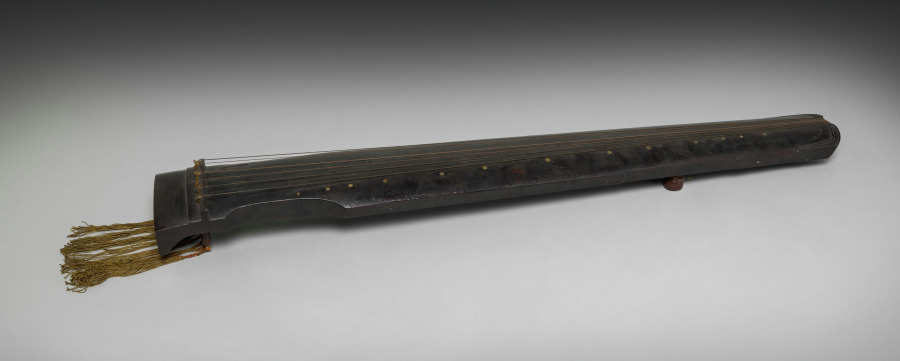
One photo, one clip, or one famous title cannot represent the whole instrument. A Met object image can help a reader see shape and context, but it does not prove modern sound quality. A public audio clip can demonstrate a tone, but it is not the complete tradition. A beginner checklist can reduce obvious mistakes, but it cannot replace a teacher, performer, repairer, or seller inspection. The site is therefore built around comparisons and next steps: every useful page should leave the reader with a better question, not just a stronger impression.
Use the homepage as a triage point. If the question is broad, open the family map. If the question is a name, open the A-Z index or a pillar page. If the question is a sound, open the sound comparison page before reading buying advice. If the question is learning, use the quiz and then read two competing pillar pages, because the best first instrument is often chosen by room, teacher access, and patience rather than fame. This makes the first minute useful even when the reader does not know the correct instrument name yet.
The first split should be physical and practical: strings, bows, breath, reeds, membranes, metal, bells, or museum evidence. That sounds basic, but it prevents most wrong turns. A reader who wants a quiet apartment instrument should not be sent straight from guzheng excitement into suona volume. A teacher explaining ancient bells should not receive the same advice as a buyer comparing beginner zithers. A listener who likes one emotional erhu recording still needs to know that bow control, intonation, and setup are part of the decision. Classification is therefore not a school-chart exercise; it is the quickest way to protect the user from a beautiful but unsuitable next step.
Use a three-page path rather than opening everything. First, choose one family page to understand the sound source. Second, open one instrument pillar page and read the decision cues: best fit, not ideal, first week, buying checks, and next path. Third, open only the article that matches the unresolved job: sound recognition, beginner learning, buying, famous pieces, comparison, classroom, travel, or museum context. This sequence keeps the site useful for different readers because it does not assume a traveler, parent, adult beginner, teacher, and museum visitor need the same answer.
These paths are built for listeners, learners, buyers, teachers, and travelers.
Start with a clear question, practical listening notes, and a next page that changes the decision.
 what is
A reader has seen or heard Guqin and needs a plain-English identification.
 sound guide
A listener wants to know what Guqin sounds like and what to listen for.
.png&w=1200&output=jpg) beginner learning
beginner learningA beginner needs an honest first-instrument decision for Guqin.
 buying guide
A buyer wants to avoid obvious quality and fit mistakes before buying Guqin.
maintenanceA new owner wants to keep Guqin playable without damaging it.
 culture history
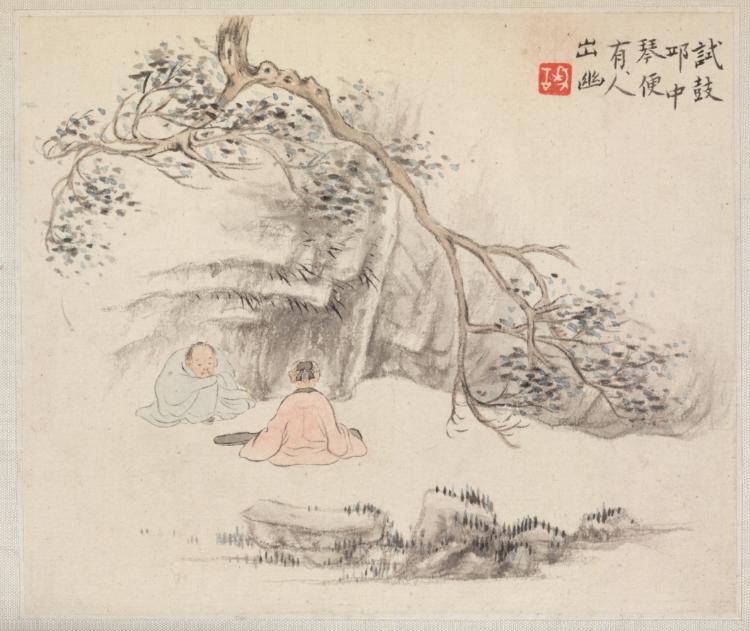
A reader wants cultural context for Guqin beyond a short definition.