Start with the verified clip
Use the licensed Suona sample, then read the sound section before comparing a second instrument.
Open sound pathInstrument guide
Suona explained through classification, tone, structure, history, repertoire, learning path, buying or care pitfalls, and related Chinese instruments.
Use this brief clip to hear why suona reads as loud, public, and reed-driven before comparing softer wind instruments.
Short suona segment by jiemojiemo. Source, Creative Commons 0.
A reader wants one complete Suona page before choosing articles about sound, learning, buying, repertoire, or culture.
Use this section to settle the basic map for Suona: family, sound source, playing motion, normal scene, and the nearest mistaken...
Sound routeUse the clip, then read the cueRead the sound section as ear training for a winds instrument, not as a list of attractive adjectives. A double-reed instrument...
Learning routeChoose a realistic next stepThe learning route is staged so a reader can tell the difference between first curiosity, first lesson, steady practice, and dee...
Use the licensed Suona sample, then read the sound section before comparing a second instrument.
Open sound pathUse the roadmap to decide whether teacher access, room volume, setup work, and practice feedback match your situation.
Open learning pathTreat price as the last comparison after setup, accessories, return terms, first-lesson fit, and a nearby-instrument check.
Open decision pathSuona is strongest for readers who want loud and piercing color, can live with loud practice volume, and want a winds path rather than a generic Chinese-instrument label. It fits best when the reader can name one listening cue, one practice constraint, and one related instrument to compare before committing.
Check the sound routePause if the attraction is only a video, a decorative photo, or a vague idea that Suona is ancient, relaxing, dramatic, or easy. The page marks the learning curve as steep; that means teacher access, setup, maintenance, room volume, or first-sound feedback can matter more than popularity. Compare Sheng, Dizi, Luo before treating this as the obvious first choice.
Compare alternativesThe first week should be small: identify the sound source, learn the normal handling or posture, make one clean tone or listening observation, and ask what setup problem would block practice. A learner needs reed control, strong breath, tolerance for volume, and a place to practice before technique can become musical. A useful beginner session ends with one correction to bring to a teacher or source, not with a rushed purchase or a long playlist.
Plan the first weekTreat price as the last check. Do not buy suona as a quiet novelty; check reed supply, key, teacher access, volume setting, and reed maintenance. Ask what is included, what wears out first, how it will be shipped, who can inspect setup, and what happens if the instrument arrives unplayable. For Suona, a good buying answer must connect the object to the first lesson and the room where it will actually be used.
Read buying checksIf the sound is still unclear, open the sound guide. If the practice reality is unclear, open the beginner route. If the object looks attractive but risky, open the buying checklist. If two instruments still blur together, return to Winds and reeds. The next page should change a decision, not simply add another definition.
Choose the next pageUse the sound guide to separate Suona attack, sustain, and ensemble role from nearby instruments.
02 / LearnCheck the first monthConfirm teacher access, practice volume, setup friction, and the first small win before committing.
03 / RepertoireListen with a score goalMove from naming the instrument to hearing what a piece asks the player to do.
04 / BuyAvoid the common bad purchaseUse setup, return terms, accessories, and inspection cues before comparing only price.
05 / CompareTest the neighboring choiceCompare the closest alternative so the final choice is about sound, space, and learning fit.
Use this section to settle the basic map for Suona: family, sound source, playing motion, normal scene, and the nearest mistaken...
SoundTone, volume and setting checkRead the sound section as ear training for a winds instrument, not as a list of attractive adjectives. A double-reed instrument...
BuildPlayable form, setup and techniqueStructure matters because it decides what the player must control before the tone described on the page can happen. A small ree...
HistoryWhere source claims need limitsHistory is useful here only when it changes how a reader understands evidence, setting, repertoire, or modern use. Suona appear...
PiecesUse examples as listening testsThe examples below are chosen to give the ear a task; they are not meant to stand for every performance tradition around Suona....
LearnBeginner route with later checkpointsThe learning route is staged so a reader can tell the difference between first curiosity, first lesson, steady practice, and dee...
BuyingOwnership risks worth slowing downBuying and ownership advice stays neutral: the goal is to prevent obvious fit, setup, accessory, and shipping mistakes. Buying...
NextKeep or change directionThe ending should make the next click deliberate, whether the reader wants to listen, learn, compare, teach, buy, or research mo...
A reader wants one complete Suona page before choosing articles about sound, learning, buying, repertoire, or culture.
Use this section to settle the basic map for Suona: family, sound source, playing motion, normal scene, and the nearest mistaken comparison.
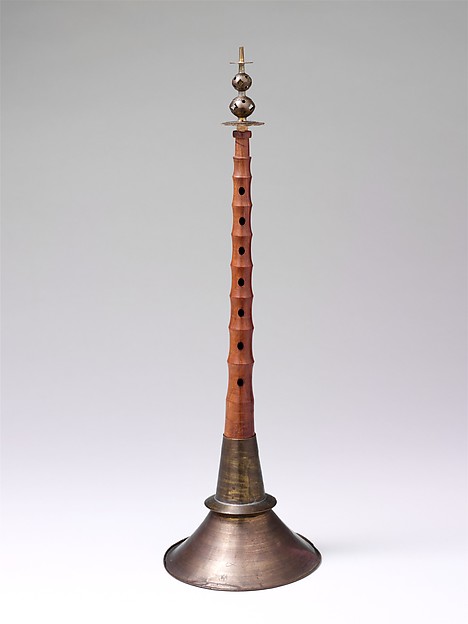
Suona should be introduced as a working instrument, not as a mood label for Chinese music. Its first identity is winds and reeds: use this family when breath, reed vibration, membrane buzz, free-reed response, drone, or vessel resonance is the main sound source. That family placement matters because it tells the reader what creates the sound before the page asks whether the instrument is a good fit for listening, learning, buying, teaching, or museum research. A loud double-reed instrument associated with ceremony, street processions, opera, and ritual energy before quiet home practice. The English name, Chinese name, pronunciation, visible form, and playing motion need to be held together so the reader does not leave with a definition that could apply to any instrument in the site.
The practical identity test is simple: name the sound source, name the motion that starts the sound, name the normal scene, and name the closest confusion. For Suona, the rough Western bridge is oboe or shawm, but the bridge is only a temporary handle. It should never replace the Chinese instrument's own construction, repertoire, and social setting. Treating Suona as only a generic Chinese instrument erases how it is played and where it belongs. A reader who has seen 唢呐 in a caption, a lesson listing, a concert program, or a museum label needs the page to answer what this object is, what it is not, and why the next page should be sound, learning, buying, repertoire, or comparison.
The reference list for this identity starts with MTSU Center for Chinese Music and Culture Instrument Gallery; The Metropolitan Museum of Art, Music and Art of China; Grinnell College Musical Instrument Collection, suona and then uses the site's own instrument profile to connect the facts to a reader task. That is why the page does not begin with a long origin story. It begins with classification and use: what vibrates, what the player does, what the listener hears first, and what real-world setting makes the name useful. If the family includes Dizi, Xiao, Sheng, the identity section should help a reader choose the next comparison instead of forcing every question into this one page.
A strong first read ends with a boundary. Suona can be a cultural symbol, but the page should keep symbol, object, sound, and learning path separate. The visible photo supports the identification; it is not asked to prove every history or repertoire claim. The next useful action is to compare one neighboring instrument, listen for one sound cue, or open the beginner path before making a purchase or classroom decision.
Read the page first as a classification problem: sound source, playing motion, normal scene, and closest confusion.
Do not let oboe or shawm become the identity; it is only a temporary comparison for new readers.
Read this section alongside MTSU Center for Chinese Music and Culture Instrument Gallery and The Metropolitan Museum of Art, Music and Art of China. A loud double-reed instrument associated with ceremony, street processions, opera, and ritual energy before quiet home practice.
Read the sound section as ear training for a winds instrument, not as a list of attractive adjectives.
A double-reed instrument with a penetrating, public, celebratory sound. A useful sound section does not stop at adjectives. For Suona, the first pass should notice attack: whether the tone begins with pluck, bow, breath, reed, strike, or another motion. The second pass should notice what happens after the first instant: decay, sustain, buzz, shimmer, pitch bend, vocal slide, resonance, or dry punctuation. The third pass should ask why the sound is being used in that scene. A home-practice demonstration, a classroom clip, a theater cue, a museum interactive, and a modern ensemble recording can make the same name feel different.
The sound tags on this page are loud, piercing, festive, ceremonial, but each tag needs a task. loud tells the reader where to begin; piercing helps them compare motion; festive gives a color word that should be tested against an actual example. A listening checklist for Suona using sound tags and contrast notes. turns those words into recognition steps. If the reader cannot say how the sound starts, what part of the tone lasts, and what setting gives it a job, the page has not yet solved the listening problem.
Volume is part of tone rather than an afterthought. Suona is marked as loud volume in this site's comparison model, which means the listening advice has to mention room, practice, public projection, and whether the sound belongs in private study, stage color, ceremony, or classroom use. Relying on one adjective hides volume, attack, decay, and performance context. For a beginner, this matters because liking the tone is not the same as being able to live with the practice conditions.
A concrete listening exercise is to write a tiny sound log instead of a review. First line: what started the sound. Second line: what changed during the note or phrase. Third line: what the setting seemed to ask the instrument to do. This keeps the reader from saying only beautiful, sad, ancient, relaxing, or dramatic. Those reactions may be honest, but they do not teach recognition. The page should move the listener from mood to evidence.
The same log also helps with search intent. A visitor who came from a song, short video, lesson page, or museum label can bring one observation back to this guide and check whether Suona is still the best match.
This page can point to a verified clip because the audio record is tied to Suona, creator, file page, license, and direct preview URL. The clip should still be treated as one example, not as the whole instrument.
Run the three-pass test: attack, sustain or decay, then setting.
Do not let one beautiful recording define every Suona sound role.
Read this section alongside MTSU Center for Chinese Music and Culture Instrument Gallery and The Metropolitan Museum of Art, Music and Art of China. A double-reed instrument with a penetrating, public, celebratory sound.
Name the motion before mood: A small reed, conical body, metal bell, embouchure pressure, and strong breath support create projection and flexible ornament.
Write one verb for the attack, then replay the same opening.A double-reed instrument with a penetrating, public, celebratory sound.
Separate color words from volume words before comparing another instrument.Weddings, funerals, rural ritual, opera, and street-level ceremony.
Open the history section only after naming the likely scene.The contrast should change at least one of these: loud, piercing, festive, volume, or technique.
Move to the comparison page when the sound difference is specific enough to describe.Structure matters because it decides what the player must control before the tone described on the page can happen.
A small reed, conical body, metal bell, embouchure pressure, and strong breath support create projection and flexible ornament. The structure section has to behave like a reader's inspection guide, not a museum label. A new reader should be able to look at the photo, lesson video, or store listing and ask which part vibrates, which part changes pitch or color, which part needs setup, and which part would make the first month harder if it is poorly made. For Suona, visible form and playing technique cannot be separated from the sound section because the tone described above is only available when the instrument is set up and handled correctly.
Technique begins with the first physical action. The beginner question is not "is this instrument hard" in the abstract; it is what the hand, breath, bow, mallet, reed, bridge, string, membrane, or body must do before a clean first sound exists. Not apartment-friendly; best approached through culture and listening first. That line should be read alongside construction. A gentle learning curve may still require the right accessory, room, teacher, or maintenance habit; a steep curve may still be rewarding if the learner has patience and feedback. Structure therefore becomes a decision tool for practice, not only a description of parts.
A low price can hide missing accessories, poor setup, shipping risk, or wrong level. That failure mode belongs in the structure section because many bad purchases are not obvious from the instrument name. The reader should check the object against a concrete list: playable setup, accessories, return path, repair access, and the first lesson's requirements. For Suona, the page should also explain what the photo can and cannot prove. A visible body can show shape, material, scale, and some setup clues; it cannot prove sound quality, tuning stability, teacher fit, or full condition.
For users coming from a Western instrument, the useful comparison is mechanical rather than prestige-based. Ask what feels familiar, then ask what breaks the analogy. A guitar player may recognize frets but not pipa right-hand language; a violinist may recognize bowing but not erhu intonation without a fingerboard; a flute player may recognize breath but not dizi membrane work. The structure section should make that difference visible before the reader spends money or books a lesson.
A useful technique paragraph ends with a next action. If the reader is only listening, they should compare structure with sound cues. If they are buying, they should ask seller questions before price. If they are learning, they should prepare the first lesson around the exact part that controls sound. If they are teaching, they should show students how structure creates sound instead of asking them to memorize the instrument name.
Turn every visible part into one question: sound source, control point, setup risk, or learning checkpoint.
Do not describe the object without naming what the player must actually do.
Read this section alongside MTSU Center for Chinese Music and Culture Instrument Gallery and The Metropolitan Museum of Art, Music and Art of China. A small reed, conical body, metal bell, embouchure pressure, and strong breath support create projection and flexible ornament.
History is useful here only when it changes how a reader understands evidence, setting, repertoire, or modern use.
Suona appears in weddings, funerals, rural ritual, opera, and modern concert contexts; social setting changes how volume should be understood. Weddings, funerals, rural ritual, opera, and street-level ceremony. The history section should help the reader sort evidence rather than admire oldness. Period, region, class, ritual, theater, museum display, and modern stage practice answer different questions. For Suona, a source may support object identity, cultural setting, repertory, educational classification, or modern orchestra use, but one source should not be stretched into every claim. This is especially important when the instrument appears in film, tourism, classroom summaries, or broad heritage writing.
A careful history paragraph begins by asking where the reader met the instrument. A museum visitor needs to know what the object can prove and what still needs a performance source. A concertgoer needs modern stage role and repertoire context. A beginner needs to know whether cultural prestige changes the practice path. A teacher needs a compact explanation that avoids stereotypes. A teacher needs a concise context paragraph for a world music lesson. should leave with a usable distinction between surviving object, living practice, educational overview, and modern arrangement.
For Suona, cultural setting should also change the listening task. The same instrument name can point to private practice, public ceremony, regional performance, opera color, court memory, archaeology, or ensemble balance. When the page names a setting, it should say what that setting changes: volume, repertoire, playing role, social meaning, or evidence limit. A broad heritage claim without setting, period, or use makes the page feel decorative. That is the line between editorial context and empty cultural wallpaper.
The reason to preserve these layers is practical. Search users often arrive with a shallow question, but they leave satisfied only when the page prevents a wrong shortcut. Old does not always mean museum-only; popular does not always mean easy; regional does not mean decorative; modern orchestra use does not erase earlier settings. A strong history section gives the reader permission to keep several truths in view without collapsing them into one simplified origin story.
The next step is not to memorize a timeline. It is to attach one historical claim to one listening or object question. If the source is a museum object, ask what material, period, or display context it supports. If the source is a performance or orchestra page, ask what the player does and how the sound functions. If the source is heritage context, ask what practice, repertory, transmission, or social meaning is being described. That discipline keeps Suona from becoming a recycled culture paragraph.
Ask where the claim comes from: object, performance, classroom source, heritage entry, or modern arrangement.
Do not turn age, court imagery, or regional association into proof of every modern use.
Read this section alongside MTSU Center for Chinese Music and Culture Instrument Gallery and The Metropolitan Museum of Art, Music and Art of China. Suona appears in weddings, funerals, rural ritual, opera, and modern concert contexts; social setting changes how volume should be understood.
The examples below are chosen to give the ear a task; they are not meant to stand for every performance tradition around Suona.
Hundred Birds Paying Homage to the Phoenix, wedding processional examples, and dragon-boat festival cues show virtuosity and public function. These examples are entry points, not a complete canon. The repertoire section should teach a listening habit: choose one title, identify one sound cue, then listen again for the technique or scene that produced it. For Suona, the first pass might notice loud color; the second might notice piercing motion; the third should ask whether the piece foregrounds solo expression, ensemble texture, stage action, ritual weight, classroom clarity, or public energy.
A title list fails when it tells the reader what is famous but not what to hear. A title list without listening cues does not help a new audience understand the sound. The page should therefore connect each example with a cue: attack, register, ornament, rhythm, silence, resonance, pitch bend, drone, shimmer, crash, or ensemble role. If the reader hears Hundred Birds Paying Homage to the Phoenix and cannot say what changed in the sound, the repertoire section has not done its job.
This is also where comparison prevents overgeneralization. Suona should be heard near Sheng, Dizi, Luo so one mood does not become the whole instrument. A lyrical example, a fast example, and a public or ensemble example can reveal different sides of the same instrument. For museum-heavy or archaeology-heavy instruments, repertoire may mean demonstration, reconstruction, interactive source, or classroom listening rather than a normal beginner playlist. The page should say that plainly instead of pretending every instrument has the same modern lesson path.
For a concrete session, keep the first listening small. Choose one title and write down the opening sound. Choose a second title and write down what changed. Choose a third example only if it changes setting or technique, not merely because it is another search result. This practice is useful for beginners, teachers, and travelers because it turns repertoire into recognition. It also helps buyers avoid choosing an instrument from one attractive performance that does not match their room, teacher access, or patience.
A listening map with mood, technique, and why each piece helps identify the instrument. should make the reader more precise, not merely more impressed. The best next step is small: save one title, write one sentence about what the instrument is doing, then open the sound guide or comparison page with that observation in hand. A user who likes the piece can continue into learning or buying; a user who only needs recognition can stop with a stronger vocabulary and a cleaner mental map.
Treat every title as a listening task: what changed in attack, motion, setting, or role?
Do not publish a famous-piece list without telling the reader what to listen for.
Read this section alongside MTSU Center for Chinese Music and Culture Instrument Gallery and The Metropolitan Museum of Art, Music and Art of China. Hundred Birds Paying Homage to the Phoenix, wedding processional examples, and dragon-boat festival cues show virtuosity and public function.
How the first phrase begins and whether the sound is immediate, delayed, breath-shaped, bowed, plucked, struck, or resonant.
After listening, return to the Suona sound guide with one concrete cue instead of a broad mood word.How tempo, ornament, register, or rhythm changes the instrument's emotional and practical role.
After listening, return to the Suona sound guide with one concrete cue instead of a broad mood word.How the instrument sits in a wider scene: solo, ensemble, public ceremony, classroom, museum, or staged performance.
After listening, return to the Suona sound guide with one concrete cue instead of a broad mood word.The learning route is staged so a reader can tell the difference between first curiosity, first lesson, steady practice, and deeper interpretation.
A learner needs reed control, strong breath, tolerance for volume, and a place to practice before technique can become musical. Do not buy suona as a quiet novelty; check reed supply, key, teacher access, volume setting, and reed maintenance. The learning path should be staged because a reader may arrive with very different intentions. Some want a first lesson; some want to buy responsibly; some only want to recognize sound; some are teaching a classroom unit; some are reading a museum label. For Suona, the page should let each reader choose a next action instead of keeping everyone in general appreciation. Not apartment-friendly; best approached through culture and listening first.
Beginner work should focus on setup, first sound, posture or handling, teacher feedback, and a realistic practice room. Early intermediate work should add tone control, simple repertoire, notation or listening vocabulary, and maintenance habits. Intermediate work should connect technique to pieces, ensemble role, and comparison with Sheng, Dizi, Luo. Advanced work should link style, interpretation, historical context, and the ability to explain why one recording or source is not the whole instrument. This staged approach is more useful than a single promise about whether Suona is easy or difficult.
Buying risk belongs in the learning path because many beginners shop before they know what the first lesson requires. A buyer wants to avoid obvious quality and fit mistakes before buying Suona. The safe checklist is not "cheap versus expensive." It is teacher access, playable setup, accessory completeness, shipping protection, return window, maintenance burden, room volume, and whether the seller can answer instrument-specific questions. Use the buying guide to choose an instrument whose maintenance fits your room and climate.
After the first month, the best signal is not speed. It is whether the learner can diagnose one problem and choose one next action. That might mean adjusting setup, asking a teacher for tone feedback, slowing down a phrase, listening to a related instrument, or postponing a purchase. A page that names these forks feels more useful than a page that simply says the instrument is beginner-friendly, intermediate, or difficult.
The page should end with a clear route. If the reader is still choosing, open the comparison or quiz path. If they like the tone, open the sound guide and one repertoire page. If they are ready to study, open the beginner article and prepare questions for a teacher. If they are considering a purchase, read the buying and maintenance pages before paying. Use the quiz after comparison to choose the path that fits your room, taste, and budget. That is how the detail page becomes a decision hub rather than a long definition.
Choose the next path by constraint: sound curiosity, practice room, teacher access, buying risk, or classroom use.
Do not buy before the first-lesson requirements are clear.
Read this section alongside MTSU Center for Chinese Music and Culture Instrument Gallery and The Metropolitan Museum of Art, Music and Art of China. A learner needs reed control, strong breath, tolerance for volume, and a place to practice before technique can become musical.
A learner needs reed control, strong breath, tolerance for volume, and a place to practice before technique can become musical.
The learner can explain why Suona fits the room, volume, and first lesson.Repeat short phrases, compare two recordings, and keep a small maintenance routine.
The learner can hear one technical issue before a teacher names it.Use one repertoire example and one related instrument to test whether the Suona role is clear.
The learner can connect a piece, sound cue, and playing technique.Compare source context, performance setting, and technique without turning one recording into a rule.
The player or teacher can explain what the instrument is doing and why that setting matters.Buying and ownership advice stays neutral: the goal is to prevent obvious fit, setup, accessory, and shipping mistakes.
Buying Suona should feel slower than watching a good performance. A performance proves that the instrument can be expressive in the right hands; it does not prove that a particular listing, rental, school instrument, or gift object is playable for a beginner. The buying question starts with use: private practice, classroom demonstration, first teacher meeting, ensemble rehearsal, museum handling, or listening-only study. Each use changes the acceptable risk. A listener may need no purchase at all. A beginner needs setup, accessories, return terms, and feedback. A teacher may need durability and explainable parts more than a concert-level object.
The first inspection should connect the object to the first lesson. Ask what part creates the sound, what part is most likely to need adjustment, and what accessory would stop the first practice session if it is missing. For Suona, the page already names the structural risk: Do not buy suona as a quiet novelty; check reed supply, key, teacher access, volume setting, and reed maintenance. That risk should be read before price. A low price can be reasonable when the seller documents condition, setup, included parts, shipping protection, and returns. It becomes expensive when the first lesson becomes repair, tuning, reed work, bridge adjustment, string replacement, posture correction, or a search for missing accessories.
Care is not a separate afterthought; it is part of the total cost and the learning plan. Room humidity, case quality, tuning habit, cleaning routine, string or reed replacement, membrane care, bridge position, mallet or bow condition, and repair access can decide whether the instrument stays encouraging. The useful page does not need to turn the reader into a technician, but it should help them ask the first five questions before paying. Who will check setup? What parts wear out first? How is the object packed? What happens if it arrives unplayable? Can a local teacher or repairer inspect it before the return window closes?
This section also protects readers from buying the wrong dream. Suona may be the right sound but the wrong practice room, the right cultural interest but the wrong first instrument, or the right video inspiration but the wrong budget. That is not failure; it is a better decision. If teacher access is weak, start with listening and comparison. If volume is the constraint, compare with a quieter related instrument. If the object is mostly decorative, keep it out of the learning path. If the page cannot answer setup questions, wait and ask a specialist before treating the listing as ready.
A good buying decision ends in one of three states: ready, risky, or pause. Ready means the seller, teacher, or source can explain condition, setup, included accessories, shipping, returns, and first-lesson fit. Risky means one or two unknowns remain but the reader knows exactly what to ask next. Pause means the current evidence is too thin and waiting is the successful outcome. This is why Buying Your First Suona: Beginner Checklist belongs inside the pillar page: the reader should not have to leave the main guide to learn that price is the last comparison, not the first.
Classify every purchase path as ready, risky, or pause before comparing price.
Do not treat a beautiful performance, museum photo, or low price as proof that a beginner object is playable.
Read this section alongside MTSU Center for Chinese Music and Culture Instrument Gallery and The Metropolitan Museum of Art, Music and Art of China. Do not buy suona as a quiet novelty; check reed supply, key, teacher access, volume setting, and reed maintenance.
The ending should make the next click deliberate, whether the reader wants to listen, learn, compare, teach, buy, or research more carefully.
A detail page earns its keep when the reader leaves with a path, not only more facts. For Suona, the next path depends on which question stayed unresolved. If the sound is still vague, the next page should be the sound guide or a listening source. If the object is attractive but the practice reality is unclear, the next page should be beginner learning or buying. If the cultural setting changed the reader's understanding, open the history or source route. If two instruments still feel interchangeable, comparison is the honest next step. The page should make those routes visible without forcing every reader into the same funnel.
The best comparison starts with a constraint. Compare Suona with Sheng, Dizi, Luo by sound source, volume, first-month feedback, teacher access, maintenance, repertoire, and setting. A Western bridge such as oboe or shawm can help orientation, but it should be used as a temporary handle. The reader should also know where that bridge breaks. What looks familiar may not feel familiar in posture, tuning, notation, right-hand motion, breath, reed care, bow control, or ensemble role. A comparison that does not change the next action is only a label exercise.
For learners, the next action should be small enough to do today. Save one listening example, write one sound cue, ask one teacher question, inspect one listing detail, or compare one neighboring instrument. For teachers, the next action might be a classification activity: sound source, playing method, scene, and closest confusion. For travelers and listeners, the next action might be to connect the sound to a festival, theater, museum, or concert setting. The pillar page should make those actions feel obvious because users rarely read a long guide in a straight line.
This is also the section that keeps the site from feeling like a generated directory. The related links need reasons. A family page helps classification; a sound guide helps recognition; a beginner page changes the first-month plan; a buying guide prevents a bad purchase; a famous-piece page turns curiosity into listening practice. When a link cannot explain what decision it changes, it should not be presented as the next step. For Suona, every link should answer one of the user's real follow-up questions rather than simply keeping them on the site.
A strong ending returns to the first identity test: sound source, playing motion, normal scene, and closest confusion. If the reader can answer those four points, they can move on. If not, the page should tell them which section to revisit. The final decision is not whether Suona is important. It is whether the reader now knows how to listen, compare, learn, buy, teach, or research it with less confusion than before.
A next link is only useful when it changes the reader's next action.
Do not end the page with generic related links that could fit any instrument.
Read this section alongside MTSU Center for Chinese Music and Culture Instrument Gallery and The Metropolitan Museum of Art, Music and Art of China. A learner needs reed control, strong breath, tolerance for volume, and a place to practice before technique can become musical.