buying guide
Dizi Buying Checklist: Match the Key, Variant and First Lesson
Ask a teacher and seller about the exact dizi variant, tuning-label convention, lesson score, model chart, membrane and hand fit before ordering.
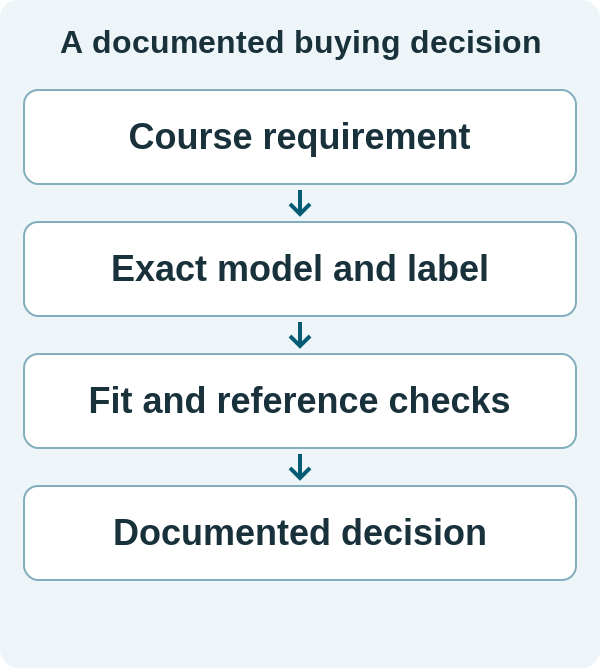
Begin with the course requirement, then ask what the label means
Before ordering a first dizi, get the teacher’s requested variant, tuning and lesson material, then match them to the seller’s exact model. There is no universally best beginner key established by the sources used here. A familiar letter stamp and a photograph are not enough to settle score pitch, register, hand fit or setup.
TOR explains that dizi instruments are labelled by tunings and selected for the desired key and timbre. HKCO’s chart shows why variant and notation convention matter as well: bangdi/qudi and xindi/dadi do not share the same written-versus-sounding relationship in that source.
This checklist turns those distinctions into questions you can send to a teacher or seller. It does not rank brands, report a hands-on trial, invent prices, or prescribe a maker’s fingering and membrane routine.
Get four answers from the actual course
- Instrument: which dizi variant and tuning does the first course require?
- Music: which book, edition or exercise will you use, and how is its key and octave represented?
- Interface: which model-specific fingering or note chart should accompany it?
- Trial: can the teacher check the instrument or supervise a fitting before you commit?
Copy the real answer. “The course says dizi” remains incomplete if the model and lesson pitch are unspecified. Ask a follow-up rather than buy whichever tuning another beginner happened to mention online.
For a jianpu course, read the reference scale, octave dots and rhythm separately. The same digit sequence in two reference keys does not necessarily give the same letter-name pitches. Digits are not a universal physical fingering chart.
Ask the seller for information matched to that model
| Check | Ask for | Keep unresolved when |
|---|---|---|
| Model identity | Exact maker, model, variant and a matching label photograph. | The listing uses only a generic dizi name or mismatched stock image. |
| Tuning stamp | An explanation of what the printed key label represents for this model. | The teacher’s requirement and seller’s label have not been connected. |
| Pitch and fingering | The matching note/fingering chart, including register conventions. | Only a broad orchestra chart or another instrument’s diagram is supplied. |
| Membrane design | Whether this variant has a dimo hole and the relevant instructions. | A buzz is assumed from the family name. |
| Hand fit | Actual hole spacing or a suitable supervised trial of the item. | On-screen image size is the only size evidence. |
| Order contents | Which accessories, case, instructions and return/support terms are included. | The listing leaves practical contents or fitting options unspecified. |
This is a document-request table, not a specification for every dizi. Fill it with the maker’s actual answer or keep a field blank. No hole spacing, case dimension or price has been measured for this article.
Membrane-free is not necessarily a defect
TOR explicitly describes xindi as lacking a membrane hole. HKCO’s chart distinguishes membrane-free xindi from membrane dadi. Common bangdi and qudi use a separate dimo membrane, which is not the blowing hole.
Thus “I cannot see dimo” may mean the model is membrane-free, the relevant hole is hidden, or the listing is insufficiently labelled. It does not automatically mean that an accessory is missing. Match the instrument and source first.
If the requested model uses a membrane, ask which material and fitting instructions the maker supplies and whether the teacher can help with the initial setup. This article does not provide a universal adhesive, adjustment, replacement or cleaning method. Do not copy one from a different model to resolve an unverified defect.
Check an octave disagreement before changing the order
In HKCO’s identified notation convention, bangdi and qudi sound an octave above their written notes; xindi and dadi sound as written. The chart’s basic, overtone and extreme-note categories also should not be collapsed into one promised beginner range.
If a listing’s range and a lesson page appear an octave apart, ask whether they show written or sounding pitch and which octave-number convention they use. The written-and-sounding guide provides original arithmetic examples, with C4 explicitly defined as middle C, to make that question precise.
A correct conversion does not prove that a particular printed note is comfortable or that the course uses the same convention. Send the relevant excerpt and model information to the teacher rather than transpose the whole lesson or exchange an instrument on guesswork.
One original order decision, with no invented product test
Imagine a course requests a specific dizi variant and supplies numbered exercises. A seller gives a key stamp but no matched fingering chart. Another listing clearly names a membrane-free xindi. Those are different pieces of information; neither automatically satisfies the course requirement.
The next action is to send the course’s instrument requirement and excerpt to the seller or teacher, ask what the stamp means for that model, and request the corresponding chart. If the required variant or fit remains unconfirmed, keep the order decision open.
This is a hypothetical example of the checklist, not a tested buyer, testimonial or brand comparison. The important outcome is a verified match or a precise missing answer. An unsupported promise that one key is easiest would bypass the problem you need to resolve.
A short dizi loop is not a buying test
The site’s CarlosCarty source describes a short recycled dizi loop. Its Dm and 100BPM title labels are not a maker’s model stamp or independently measured specification. The four-second duration does not establish hand fit, membrane reliability, acoustic practice volume or the complete register of a seller’s instrument.
Use a maker or teacher’s identified demonstration for the relevant model if it helps answer a question. Keep the performer, recording setup and passage explicit. A compressed or mixed recording is a different context from your own room, and a licence allowing reuse is not a quality certificate.
The source-record guide explains how to separate description, uploader, performer, dates and permission before treating an online clip as evidence.
What a ready-to-order record should contain
Keep one short record: course and edition; requested variant and tuning; exact seller model; explanation of its stamp; matching pitch/fingering chart; membrane design and supplied instructions; fit check; included contents and support terms; unresolved question.
When the teacher’s requirement, the item’s identity and its instructions agree, you have a grounded next step. When a field is missing, request that specific information. You do not need to guess a universal range, pretend to have heard the product, or turn a generic sound adjective into a recommendation.
For construction differences, return to the dizi entry and the flute-interface comparison. This page remains the purchase-information checklist at its existing URL.
Use the clip as one example
Uploader-described dizi loop recycled from recordings. Filename and duration are not a verified model, range, hand fit or buying test; this revision did not audition the audio.
Short dizi loop by CarlosCarty. Source, Attribution 4.0.
Sources and further reading
- Timbre and Orchestration Resource — Wind Instruments
Dizi opening functions and named variant descriptions in the resource’s Chinese-orchestra context. Checked 7 November 2026.
- Hong Kong Chinese Orchestra — Instrumentation and Range Table
Written and sounding conventions for bangdi, qudi, xindi and dadi, with separately labelled range categories. Checked 7 November 2026.
- Freesound — Dizi_Loop_Carlos Carty_6_Dm_100BPM.wav
Uploader’s file title, loop description, displayed upload date, duration and attribution licence. Checked 7 November 2026.